

By Callie Matthews
Content Warning: If you choose to watch any of the following series after reading this article, be warned that they each contain graphic depictions of violence. Alternatively, this article has mentions of suicide, bullying, and real world disasters. Read (or watch) at your own discretion.
28 Days Later:

The 28 Days Later movie series follows the Rage Virus, an ebola-inspired virus that infects whoever comes in contact with well…rage. When deliveryman Jim wakes from a coma twenty-eight days after the initial Rage outbreak, he finds that the usually busy streets of London are surprisingly empty. The phones don’t work, random cars and trolleys have been tipped over, and the local news board is covered in missing person reports. It’s only when he finds piles of infected bodies in the nearby Catholic church that he realizes that it’s more than a citywide evacuation. The virus was created from a group of monkeys’ exposure to footage of human violence, such as riots, public lynchings, police raids, etc. 28 Days Later brings light to the existing violence in today’s society, as well as the selfishness that even a scarce number of survivors will continue to uphold in dire situations.
After being saved by survivors Selena and Mark, Jim quickly learns that a manmade virus has taken over London, and the two of them explain that they will leave him behind if he becomes a liability. Jim, even around other survivors, is isolated here; he has no idea what started the virus, how the virus infects and affects humans, or how to fend for himself, yet everyone else in his world seem to know exactly what he doesn’t. The only people Jim seems to relate to are the audience, when (of course) we can’t reach him. We, like Jim and the infected monkeys in the opening, are viewing our violent world from the outside-in.
Similar to its main inspiration, Dawn of The Dead, the infected in 28 Days Later are supposed to mirror our society. While Dawn of The Dead was originally meant to be a commentary on consumerism, as seen by the zombies’ attraction to the mall, 28 Days Later quite literally demonstrates how rage grows and creates the violence in our world. A character we meet later on (I won’t name names for spoilers’ sake) explains to our remaining survivors that both before and after the outbreak, all he’s seen is people killing people, which “puts [them] in a state of normality right now.” While that may be the case, another theme the movie explores is how love balances out the hate and violence in this world. Him, being in a position of power, only ever sees the violent side of humans, like Jim in the beginning.
All of Us Are Dead:

It’s in All of Us Are Dead that Hyosan High School becomes ground zero for a DIY zombie virus created by the school science teacher, Lee Byeong-chan, and it’s up to class 2-5 to work together and escape the school alive. All of Us Are Dead is a heavily abridged version of the Webtoon series of the same name, and it is mainly inspired by Korea’s most popular zombie movie, Train to Busan. Unlike its inspiration, this particular apocalypse teaches us about Korea’s unfair systemic treatment of its youth.
The overarching issue of All of Us Are Dead is bullying. Teacher Lee Byeong-chan’s son, Lee Jin-su was a victim of bullying at the hands of Yoon Gwi-nam, to the point that he ended up hospitalized after a suicide attempt. Byeong-chan consulted the police and the school board about this issue, to which no legal action was able to be given due to lack of evidence. The harassment failed to cease, so Byeong-chan created the Jonas Virus (named after philosopher Hans Jonas) in order to help his son fight back. He explains, “We live in a system of assault. A complete nobody like [him] can’t change the system, so [he] decided to change [his] son.” For months, he studied and tested the virus’s behavior in mice, desperately trying to develop a cure, all for a student of his to find and get bitten by one of the mice.
On top of that, the students know that the lives of adults are prioritized over the lives of children, and their hope for the situation starts to dwindle. Some of the later episodes in the series include direct references to the Sewol Ferry disaster, where around 325 high school students were on board for a field trip to Jeju Island. Out of the 325, only around 75 of those students were rescued, as the crew deliberately told the passengers to stay in their cabins as the ship sank. In total, 82% of the victims were children. As class 2-5 attempts to reach emergency services, other incidents of zombie attacks become their top priority. Class President Choi Nam-ra begins to realize this, as she asks the group “Some countries grieve children more than adults, and others, vice versa. So which do you think [South Korea] is?”
The Last of Us:
(Disclaimer: The brain infection mentioned in this section is a fictionalized version of the parasitic cordyceps fungus. Real cordyceps fungi are only a danger to insects and are often used as dietary supplements.)
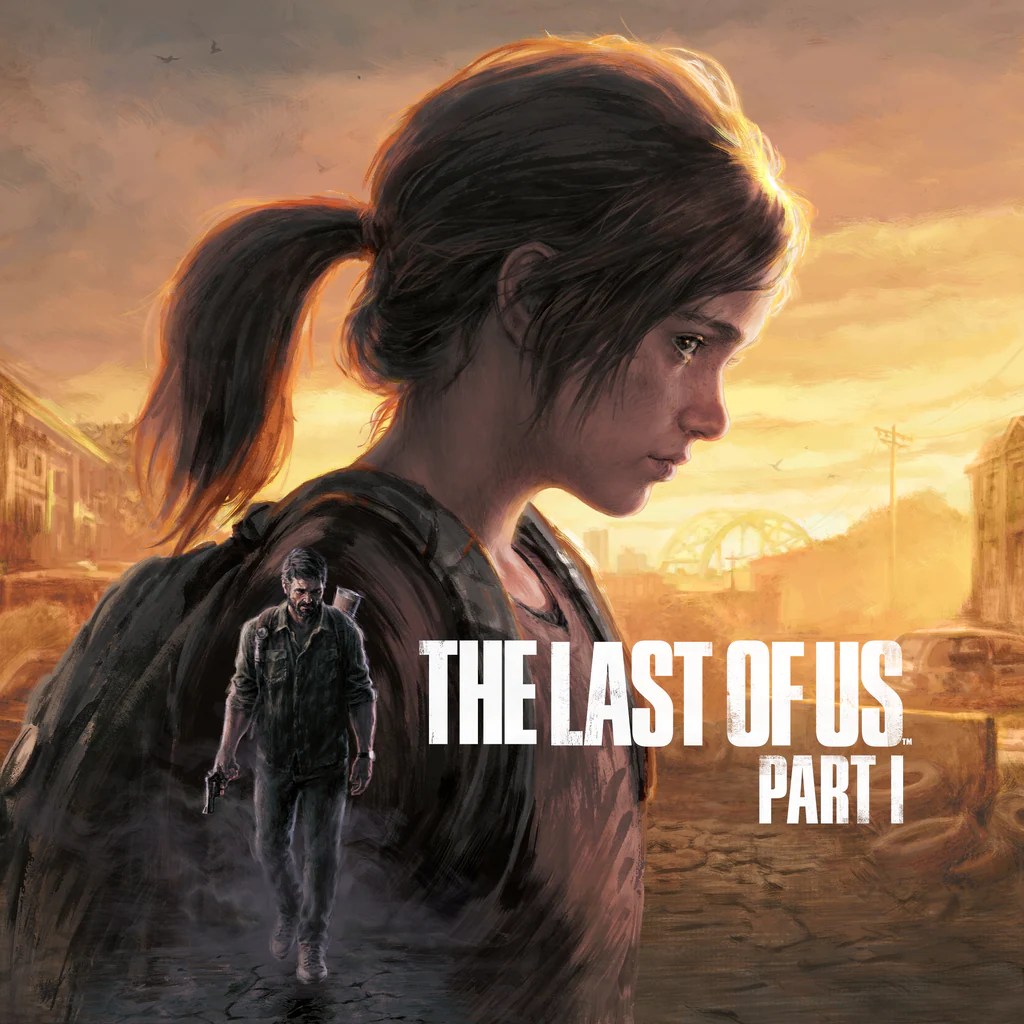
The original The Last of Us series is played from the perspective of Joel Miller, a survivor of the first Cordyceps outbreak who lost his daughter after a military officer was given orders to shoot them both. Twenty years later, the remaining American population lives in quarantine zones run by FEDRA (The Federal Disaster Response Agency), and a militia group known as the Fireflies is notoriously working against FEDRA’s control. The leader of the Fireflies, Marlene, tasks Joel and his partner Tess with escorting an immune teenager named Ellie to Salt Lake City, with the hopes that her immunity will lead to the creation of a cure. The Last of Us is easily one of the most popular video game series of its kind, in large part because of how the infected take a backseat to its very character-driven story about love, loss, humanity, and survival.
The Last of Us Part I explores the growth of the connection between Joel and Ellie as they search for the Fireflies. Joel and Ellie are polar opposites when they meet: Joel had become cold-blooded and apathetic in response to his daughter’s death, and Ellie started out feisty and naïvely heroic. Joel and Ellie’s bond is necessary to their survival as they round out each other’s post-apocalyptic weaknesses; Ellie learns to accept that she can’t save everyone, and Joel learns to open up to her.The Last of Us Part I is very complex and hard to put into one box, but overall, it teaches us that connections are the key to pushing through the worst of the worst, especially a zombie apocalypse.
Part II was appropriately released in June of 2020 and has a heavier focus on the theme of revenge. Many fans of the first game don’t like Part II because its story was designed to be both tragic and infuriating. Five years after the events of the first game, Ellie endures a traumatic experience (which I won’t spoil for you) that results in her wanting justice. That justice quickly turns into textbook revenge and leaves her questioning her own morality. As the game progresses, we learn alongside Ellie that getting back at someone by hurting them and their loved ones is just a step in the cycle of violence, and doesn’t make the victim any better than the perpetrator. The fact that the player is confronted with this same harsh revelation as Ellie might account for the reason so many fans don’t appreciate Part II, but it is no doubt an important message that modern society needs to understand.
Bonus Recommendations:
- Kingdom (TV Series) – Set in 17th century Joseon, Korea, Crown Prince Lee Chang and his royal guard, Mu-yeong investigate a mysterious plague that brings the dead to life at nightfall.
- Surviving Romance (Webcomic) – Chaerin becomes the protagonist of her favorite romance novel, the story of which she has memorized front to back. She knows how it’s supposed to end: her crush Jeha will confess his undying love for her at the end of the day. The only catch is, there’s a zombie outbreak at her school, the final chapter will start back from the beginning if she gets bitten, and the novel doesn’t give her any survival tips.
- Pontypool (Movie & Radio Play) – A disc jockey finds himself and a few other survivors trapped in a radio booth after an unknown, aggression-inducing virus spreads through the English language.
- Warm Bodies (Movie & Novel) – Less of a horror and more of a romance, this story is a unique spin on Romeo & Juliet, where eight years after the apocalypse, the appropriately named Julie meets a zombie boy named R. After he protects her from other zombies in an abandoned airport, she begins to realize that he still has remnants of humanity left within.
- REC (Movie) – A reporter and cameraman follow a group of firefighters into an apartment building after receiving a call about an elderly woman trapped in her room. Soon enough, the pair discovers a violent infection spreading within the building, and law enforcement won’t let anyone leave.
- Happiness (TV Series) – Be prepared to be annoyed by poor decision making; Happiness details the “Lytta Virus” or “Mad Person’s Disease” born from a failed pneumonia drug and how the apocalypse brings out the worst in the trapped residents of an apartment.
 echodailyorg.news
Leave a comment